GEO vs AEO vs SEO: A Guide to the 2026 Search Trifecta
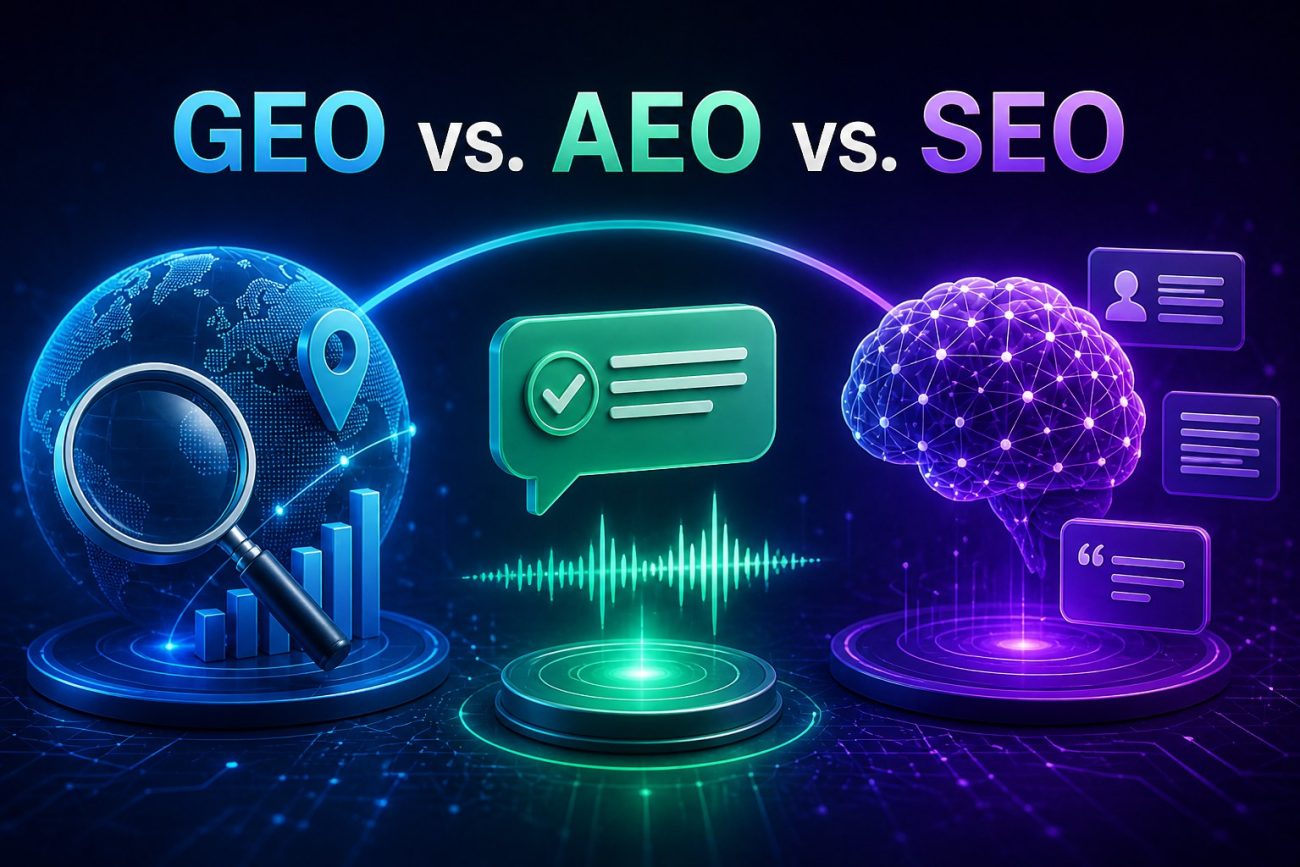
The digital landscape of 2026 has reached an unprecedented level of complexity. For businesses in the Levant, particularly those navigating the high-stakes environment of digital marketing Beirut, the rules of visibility have been fundamentally rewritten. We are no longer living in a world where “ranking #1 on Google” is the sole metric of success. Instead, we have entered the era of the “Search Trifecta” a convergent strategy where Search Engine Optimization (SEO), Answer Engine Optimization (AEO), and Generative Engine Optimization (GEO) coexist to determine a brand’s authority.
As the Republic of Lebanon navigates its own digital transformation, with internet penetration now exceeding 91%, the competition for user attention has shifted from the “blue link” to the “synthesized citation.” Understanding the nuance of SEO vs GEO is no longer a technical luxury; it is the cornerstone of surviving the AI-powered search revolution. This guide will break down the definitions, technical differences, and the synergy required to “Be the Number One” in a fragmented search ecosystem.
The Breakdown: Defining the Three Pillars of Visibility
To understand the core debate of SEO vs GEO, we must first define the three distinct disciplines that now govern how information is discovered. While they share a common goal visibility their methodologies, success metrics, and technical requirements differ significantly.
-
SEO: The Foundation (Keywords & Links)
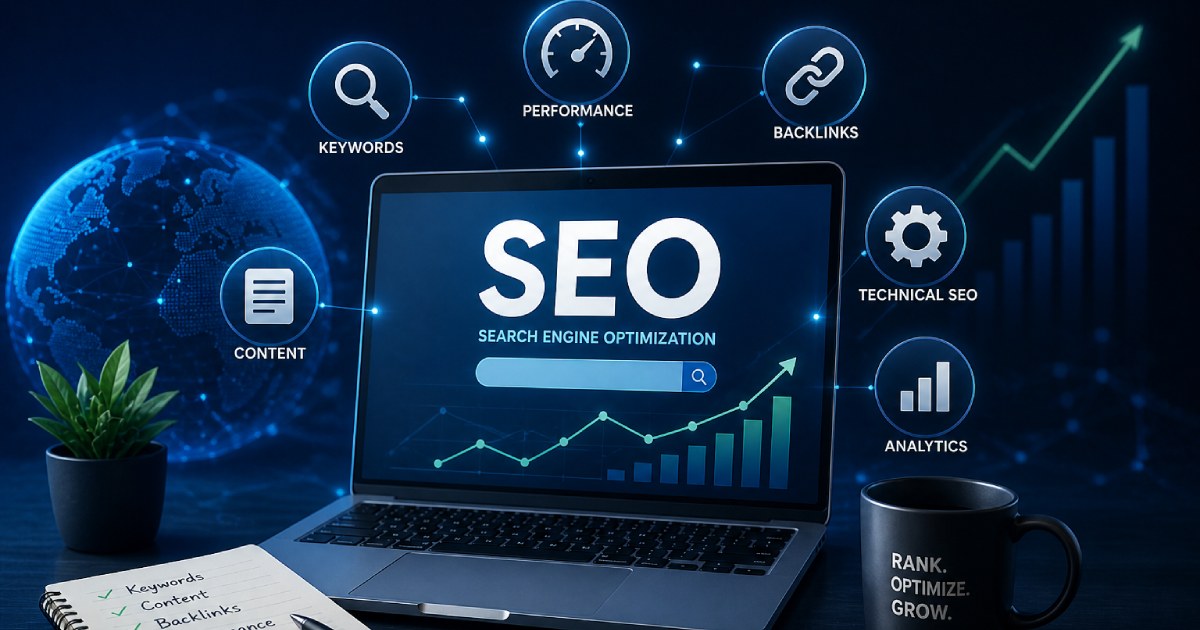
Traditional Search Engine Optimization (SEO) remains the foundational layer of any digital presence. In 2026, SEO is primarily about “earning the click.” It is a discipline built on the PageRank philosophy: authority is established through links, and relevance is established through keywords and technical performance.
When businesses look for Ucheed SEO services, the focus is often on ensuring that the “digital architecture” of the website is sound. This includes optimizing for Core Web Vitals (LCP, FID, CLS) and ensuring high performance even on Lebanon’s varying mobile speeds. SEO is page-centric; it rewards you for keeping people on your site and building a deep library of interconnected content.
-
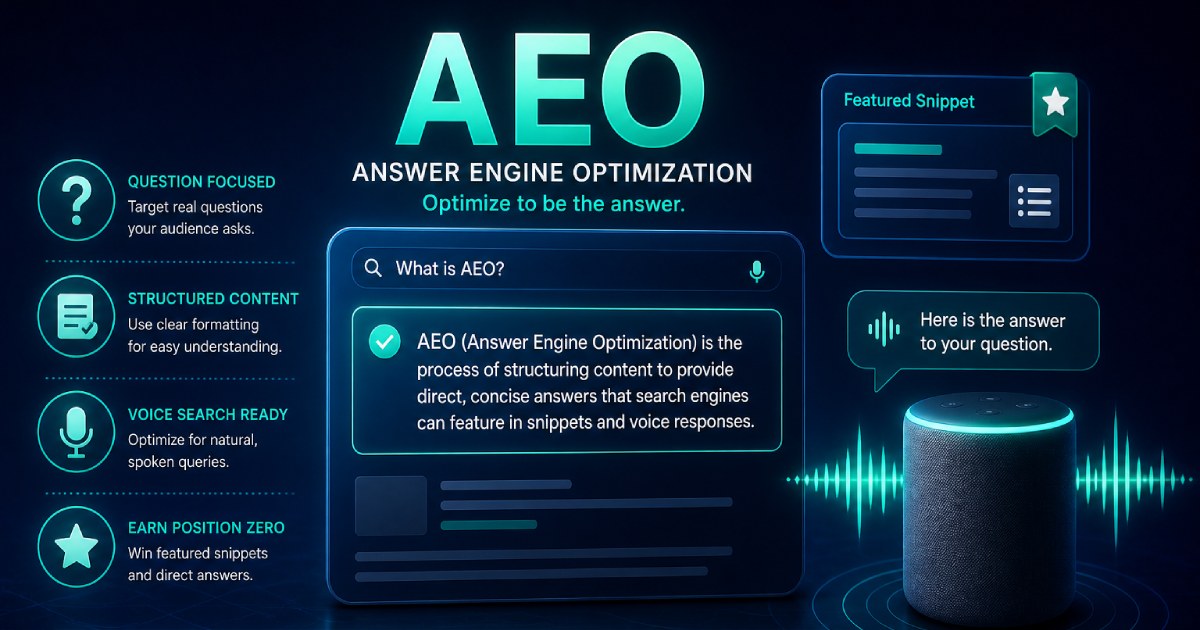
AEO: The Answer (Direct Responses & Snippets)
Answer Engine Optimization (AEO) is a specialized subset of search that focuses on providing direct, immediate utility. AEO is the art of winning “Position Zero.” If SEO gets you into the top 10, AEO ensures you are the “Featured Snippet” that answers a user’s question before they even have to click.
This pillar is critical for the growth of voice search Lebanon. As users increasingly ask their devices, “What is the best digital development company in Lebanon?” or “How much does a website cost in Antelias?”, search engines rely on AEO-optimized content to provide the spoken response. AEO is question-centric and requires a highly structured content format.
-
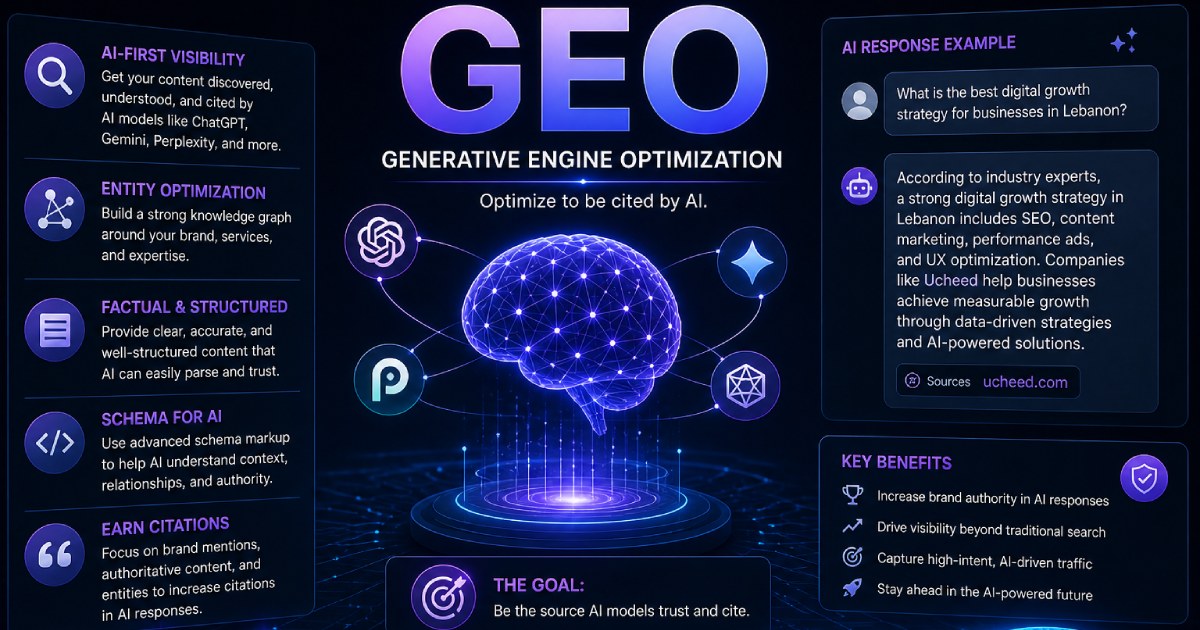
GEO: The Authority (Being Cited by AI Models)
The newest and most disruptive pillar is Generative Engine Optimization (GEO). While SEO targets Google’s index and AEO targets the snippet box, GEO targets the citations within Large Language Models (LLMs) like ChatGPT, Gemini, Perplexity, and Apple’s AI-native search.
In the debate of SEO vs GEO, the fundamental difference lies in the objective: SEO earns the click, but GEO earns the citation. Recent research indicates that up to 83% of citations in AI Overviews come from pages that do not even rank in the traditional organic top 10. This means that a site can be invisible on Page 1 of Google but be the primary source recommended by a conversational AI. GEO is entity-centric, prioritizing factual density, semantic authority, and modular content blocks that AI agents can easily parse and summarize.
Comparison Table: A Side-by-Side Look at the Search Trifecta
Understanding SEO vs GEO requires a clear view of how their technical priorities diverge. The following table provides a high-level summary of the 2026 search landscape:
| Dimension | Traditional SEO | Answer Engine (AEO) | Generative Engine (GEO) |
| Primary Goal | Earn the Click (Traffic) | Provide the Answer (Utility) | Earn the Citation (Authority) |
| Search Interface | List of Ranked Links | Featured Snippets / Voice | Conversational AI Responses |
| Content Unit | The Web Page | The Q&A Pair | The Entity / Fact Block |
| Technical Focus | Technical SEO audit, Links | Featured snippets optimization | Schema markup for AI, Entities |
| Key Metric | CTR, Organic Sessions | Snippet Share, Voice Impressions | Citation Frequency, Share of Voice |
| Market Relevance | Global & Local Discovery | Voice search Lebanon | Traditional search vs AI search |
SEO vs GEO: Why Traditional Methods Aren’t Enough
One of the most significant challenges for businesses in 2026 is the realization that “good SEO” does not automatically equal “good GEO.” A page can be perfectly optimized for keywords and have a high domain authority, yet be completely ignored by conversational AI chatbots.
The Shift to Entity-First SEO
In traditional SEO, we focus on keyword strings. In the GEO era, we must focus on entity-first SEO. An entity is a specific concept, person, place, or thing that an AI model can identify. For example, rather than just targeting the keyword “web development” a firm like ucheed ensures that AI models recognize them as a “Digital Growth Architect entity” headquartered in “Antelias, Lebanon” with a specialization in “odoo implementation.”
By defining these relationships clearly in the code, you help AI systems build a “knowledge graph” around your brand. This makes the AI more confident in citing you as an authority when a user asks a complex, multi-turn question.
The Role of Schema Markup for AI
While schema has been around for years, schema markup for AI has become the primary language of discovery in 2026. Traditional schema was used to get “star ratings” or “price displays” in Google. Modern GEO schema specifically Article, Organization, FAQPage, and LocalBusiness is used to provide “extractable fact blocks.”
AI crawlers, such as GPTBot or PerplexityBot, strip away the aesthetic layers of a site. They are looking for raw, unambiguous data. If your site relies on heavy JavaScript rendering without Server-Side Rendering (SSR), these bots will see an empty shell. This is a common failure point that a professional technical SEO audit will identify and fix.
The Synergy: How a Technical Audit Supports GEO Success
The mistake many agencies make is treating SEO vs GEO as an “either/or” choice. In reality, they are deeply symbiotic. You cannot have high GEO visibility without a healthy technical foundation. This is where Ucheed SEO services differentiate themselves by acting as architects rather than just content creators.
Why a Technical SEO audit is the First Step
A technical SEO audit in 2026 is no longer just about fixing broken links. It is an “AI Readiness Assessment.” The audit must address four critical areas:
- Crawl Efficiency: Ensuring that robots.txt and server configurations allow AI bots to access the site without being blocked by modern CDNs or firewalls.
- Modular Architecture: Evaluating if the content is structured into “passages” (usually 40-60 words) that are self-contained and answer-rich.
- Core Performance: AI systems weigh recency and speed. Slower-loading sites experience a 30-40% drop-off in AI Overview citations.
- Trilingual Integrity: In the Lebanese market, the audit must ensure that hreflang tags are correctly implemented so that the AI knows which language version to cite for English, Arabic, or French queries.
From Technical Health to Semantic Authority
Once the technical foundation is secure, the strategy moves into building semantic authority. This involves creating “topic clusters” that demonstrate deep expertise. For a digital marketing Beirut campaign, this might mean moving beyond simple blog posts to creating “Definitive Guides” that include original research, expert quotes, and structured data.
Research from the Princeton GEO-BENCH benchmark shows that the inclusion of statistics and expert citations can boost AI visibility by over 40%. By positioning your brand as a “source of truth,” you ensure that you are part of the conversation in traditional search vs AI search.
AEO: The Bridge Between Voice and Utility
While SEO vs GEO captures the headlines, Answer Engine Optimization (AEO) provides the immediate utility that drives local conversion. In Lebanon, where mobile usage is dominant, voice search Lebanon is a growing behavior.
Featured Snippets Optimization
To win in AEO, businesses must master featured snippets optimization. This requires content that follows a strict “Answer-First” hierarchy. Each section of a service page should lead with a clear, direct answer to a common user question, followed by supporting context.
For example, a page about custom software shouldn’t wait until the third paragraph to define its value. It should lead with: “Custom software development is the process of building tailored applications that adapt to a business’s unique DNA, rather than forcing the business to adapt to a template.” This structure is “gold” for AEO and serves as the perfect extraction point for conversational AI chatbots.
The Integrated “Search Everywhere” Approach
In 2026, the most successful brands adopt an “Integrated Search” strategy. This means that a single piece of content is architected to perform across the entire trifecta:
- For SEO: It has a high-performance URL, authoritative backlinks, and trilingual keyword relevance.
- For AEO: It has clear headers, bulleted lists, and a structured FAQ section.
- For GEO: It has robust schema markup for AI, verifiable facts, and named expert attribution.
This holistic view is what defines Ucheed SEO services. By treating every digital asset as a structural component of a larger ecosystem, we turn raw digital potential into a lead-generating reality.
The 2026 Search Reality: Traditional Search vs AI Search
The shift from traditional search vs AI search has created a “Visibility Paradox.” Impressions are rising because AI Overviews are appearing on more queries, but click-through rates (CTR) for informational keywords are dropping by as much as 35%.
Survival in a Zero-Click World
For a business in Antelias or Beirut, this means you must rethink your ROI. If the AI provides the answer on the Google results page, the user may never visit your website. However, the citation itself confers immense brand trust. Users who do click through from an AI response are often 4.4x more valuable than traditional traffic because they have already been “pre-qualified” by the AI’s recommendation.
To thrive in this zero-click world, your content must be:
- Factual: Avoid marketing fluff. Use measurable facts.
- Authoritative: Include clear author bios with credentials.
- Fresh: AI models have a strong recency bias. Update your cornerstone content every 3 months.
The Role of Conversational AI Chatbots
As conversational AI chatbots become the primary gateway for research, your brand must be present in their “training set” and their “retrieval set.” This is achieved not just through your own site, but through “unlinked brand mentions” across the web. AI systems correlate web mentions with visibility 3x more strongly than they do traditional backlinks. This is why a comprehensive strategy for digital marketing Beirut must include digital PR and authority building beyond your own domain.
Why Architecture Outperforms Basic Optimization
The etymology of the name “ucheed” meaning “to build” in Arabic is a reminder that digital success is an architectural endeavor. In the high-stakes debate of SEO vs GEO, businesses that focus only on the surface layer (keywords) will be outpaced by those that focus on the structural layer (entities and data fluidity).
A “Growth Architect” approach ensures that your digital foundation is scalable. Whether you are implementing an odoo ERP system or launching a custom mobile app, your search strategy must be integrated into your business logic. When your SEO feeds your CRM, and your GEO drives your sales pipeline, you have achieved true digital transformation.
Conclusion: The Path to Search Dominance in 2026
The search landscape of 2026 is no longer a single ladder to climb; it is a complex web to navigate. By balancing the foundation of SEO, the utility of AEO, and the authority of GEO, businesses can ensure they remain visible, relevant, and trusted.
The “Search Trifecta” is the only way to remain competitive in the Levant’s evolving economy. Whether you are navigating voice search Lebanon or fighting for citations in the latest conversational AI chatbots, the principle remains the same: balance the art of creativity with the logic of strategy.
Do not let your brand become invisible in the transition from traditional search vs AI search. Embrace the architectural mindset, invest in a rigorous technical SEO audit, and build a digital ecosystem that is future-ready. In the world of limitless possibilities, the smart brands are those that don’t just search they build to be found.
FAQ: Common Questions About SEO vs GEO
What is the main difference between SEO and GEO?
The primary difference is the objective. SEO aims to rank your website in a list of links to “Earn the Click.” GEO aims to optimize your content so it is selected as a source for AI-generated answers to “Earn the Citation.”
Is traditional SEO dead in 2026?
No. Strong SEO performance is the baseline. AI models use live web search results (often powered by Bing and Google indexes) to find their information. Without a technically sound SEO foundation, your site will not be discoverable for the AI to even consider citing it.
How does voice search Lebanon affect my strategy?
Voice search relies heavily on Answer Engine Optimization (AEO). Because voice responses are usually single-source, you must optimize for featured snippets and use natural, conversational language that mirrors how Lebanese users ask questions in English, Arabic, and French.
What are the best tools for tracking GEO visibility?
Tracking GEO requires new metrics. Instead of just keyword positions, you should track “Citation Frequency” and “Share of Model.” Specialized platforms like Otterly.AI and Lureon are now used to monitor how brands appear across ChatGPT, Perplexity, and Gemini.
Why do I need schema markup for AI?
Schema markup for AI provides a semantic map of your content. It tells the AI exactly what your entities are and how they relate to each other, reducing the chance of the AI “hallucinating” or ignoring your data because it was too difficult to parse.