Hiring a development agency: The Essential Guide to Success

Hiring a Development Agency in Lebanon: Our Guide In the increasingly interconnected global economy, the search for technological excellence has transcended geographical boundaries. Businesses, ranging from burgeoning startups to established multinational enterprises, are constantly seeking reliable partners to navigate the complexities of the digital age. One destination that has emerged as a significant hub for technical talent is Lebanon. For decision-makers, Hiring a development agency in this region offers a unique convergence of skilled human capital, cost-efficiency, and cultural alignment with Western markets. The process of Hiring a development agency is a pivotal moment in a company’s trajectory. It is not merely about procuring code; it is about selecting a partner capable of translating abstract business goals into tangible digital assets. As the demand for sophisticated digital solutions grows, understanding the nuances of the Lebanese tech landscape becomes essential for any organization looking to leverage this talent pool. This guide provides a comprehensive overview of the factors involved in selecting the right partner, ensuring that your investment yields sustainable growth and competitive advantage. The Strategic Appeal of the Lebanese Tech Sector Lebanon has historically been a crossroads of culture and commerce, a trait that has seamlessly transitioned into the digital realm. The country boasts a highly educated workforce, with a significant percentage of graduates holding degrees in STEM fields. This educational foundation creates a robust environment for Outsourcing IT services to Lebanon, where technical proficiency meets creative problem-solving. The Rise of Nearshore Capabilities For companies in Europe and the Gulf region, Lebanon serves as an ideal location for Nearshore development teams. The time zone compatibility facilitates real-time collaboration, reducing the friction often associated with offshore partnerships. When Hiring a development agency, communication is paramount. The multilingual nature of the Lebanese workforce fluent in Arabic, English, and French ensures that Nearshore development teams can integrate smoothly with client teams, minimizing the risk of misinterpretation that can derail complex projects. Furthermore, Outsourcing IT services to Lebanon allows businesses to access high-caliber talent without the overhead costs associated with maintaining in-house teams in high-cost-of-living countries. This economic efficiency does not come at the expense of quality; rather, it allows for resource reallocation towards other critical business areas like marketing and R&D. Defining Your Project Scope and Needs Before embarking on the journey of Hiring a development agency, it is crucial to have a crystal-clear understanding of your project requirements. The term “development” encompasses a vast array of services, and the Best software development company Lebanon has to offer will typically specialize in specific verticals or offer a comprehensive suite of solutions. Identifying the Right Service Mix Web Development: Are you looking for Web development services Beirut to build a corporate presence or a complex web portal? The requirements for a static informational site differ vastly from a dynamic, data-driven web application. Mobile Solutions: If your audience is primarily mobile, you need specialized Mobile app developers Lebanon who understand the nuances of iOS and Android ecosystems, as well as cross-platform frameworks like React Native. Custom Logic: For unique business processes that off-the-shelf software cannot handle, you will require Custom software solutions tailored to your operational workflows. Understanding these distinctions helps in filtering potential candidates. When you are Hiring a development agency, specificity in your request for proposal (RFP) attracts partners who are genuinely equipped to deliver. Criteria for identifying the Best Partners Finding the Best software development company Lebanon requires a disciplined approach to vetting. The market is populated with numerous players, from freelance collectives to established firms. To identify the Top tech agencies in Beirut, one must look beyond the surface level of marketing claims and evaluate the core competencies of the agency. Technical Proficiency and Architecture A primary indicator of quality is the agency’s approach to Secure software architecture. In an era of increasing cyber threats, security cannot be an afterthought. The Best software development company Lebanon will prioritize security capability maturity, ensuring that code is written with robust encryption, secure authentication protocols, and compliance with international data protection standards. When Hiring a development agency, inquire specifically about their security practices and how they integrate Secure software architecture into their development lifecycle. Portfolio and Track Record The portfolios of Top tech agencies in Beirut should demonstrate a diversity of successful projects. Look for case studies that mirror the complexity of your own needs. Have they delivered Custom software solutions for enterprise clients? Have they executed large-scale e-commerce projects? A proven track record is the most reliable predictor of future success. Specialized Expertise: Web, Mobile, and Commerce Different projects require different sets of expertise. A generalist approach may suffice for basic needs, but competitive advantage often requires specialists. The Role of Professional Website Builders For businesses focusing on their digital storefront, Professional website builders play a critical role. These are not just coders but designers and UX specialists who understand how to convert visitors into customers. Web development services Beirut are renowned for their aesthetic sensibility combined with technical rigor. Whether utilizing a CMS or building from scratch, Professional website builders ensure that the final product is responsive, SEO-friendly, and visually compelling. E-commerce Development Experts The retail landscape is shifting online, and E-commerce development experts are in high demand. Building an online store involves complex integrations of payment gateways, inventory management systems, and logistics APIs. When Hiring a development agency for retail, ensure they have specific experience in this domain. E-commerce development experts in Lebanon are adept at platforms like WooCommerce and Shopify, as well as building bespoke commerce engines that handle high transaction volumes securely. Mobile App Developers Lebanon The ubiquity of smartphones makes mobile presence non-negotiable for many brands. Mobile app developers Lebanon are recognized for producing high-performance applications that offer seamless user experiences. Whether it is a consumer-facing loyalty app or an internal business tool, the proficiency of Mobile app developers Lebanon in using modern frameworks allows for rapid deployment and easy maintenance. The Financial Perspective: Cost vs. Value One of the most common questions when Hiring a development
7 Steps to Choose a Digital Development Company in Lebanon
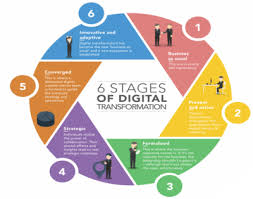
How to Choose the Right Digital Partner for Your Business Growth? Ucheed your digital development company in lebanon The modern business landscape in Lebanon is defined by a paradox of challenge and opportunity. Years of economic crisis and political instability have deeply affected the financial sector, leading to a strong reliance on cash and a general erosion of trust in traditional banking institutions. However, this very instability has catalyzed a remarkable and necessary digital transformation . Lebanese citizens and businesses, confronted with the impracticality of carrying large amounts of cash due to hyperinflation, have turned to digital payments and online services as a matter of necessity. This shift has powered a “digital revolution,” spurring the launch of numerous companies offering a wide range of fintech and other digital solutions. This dynamic environment means that for any business leader, adapting to the digital economy is no longer a strategic option but a fundamental requirement for survival and business growth. The crucial question, then, is how to navigate this complex landscape. The answer lies in forging a strategic relationship with the right digital partner. Choosing a partner is far more than a simple vendor selection; it is a critical investment that will define a company’s ability to compete, innovate, and thrive. This report serves as a comprehensive guide to understanding this new reality and making an informed decision when selecting a digital development company in lebanon. Part I: The Strategic Value of a Digital Partner The New Reality of Business Growth in Lebanon The Lebanese market possesses a unique blend of digital readiness and infrastructural challenges. Despite issues like frequent power outages and inconsistent internet connectivity, the population has shown remarkable resilience and a high rate of digital adoption. As of early 2024, there were 4.76 million internet users, representing a penetration rate of over 90%. A similarly high rate of social media adoption exists, with 4.52 million active social media users, equating to 85.6% of the total population. This high level of engagement signifies a deeply connected audience that is ready to interact with businesses online. This readiness is further evidenced by a significant shift in consumer behavior. While the number of traditional bank accounts has decreased, the rise of strong digital players has successfully led to the opening of over 1 million digital accounts. This trend underscores a crucial point: consumers are actively seeking and adopting alternative, digital-first solutions that offer greater convenience and security than traditional methods. For businesses, this translates into an unprecedented opportunity for business growth through a well-executed digital transformation strategy. The challenge is that a superficial digital presence will not suffice. A truly effective digital development company must understand these local nuances, creating solutions that address the specific pain points that drove this digital shift, such as secure transactions and reliable user experiences even in the face of local infrastructural hurdles. More Than a Vendor: Digital Agency vs. Digital Development Company When a business decides to invest in its online presence, the first decision is often whether to hire a digital agency or a digital development company. While the terms are sometimes used interchangeably, their core competencies and approaches can be fundamentally different. A digital agency traditionally focuses on the “look and feel” of a brand’s online presence. Their work is centered on visual design, branding, marketing, and the overall creative aspects of a project. Conversely, a digital development company is concerned with the “how things work”. Their expertise lies in the technical and functional aspects, such as building robust e-commerce platforms, creating custom software solutions, and ensuring the technical infrastructure of a website is scalable and secure. This distinction extends beyond technical skills to the very philosophy of a partnership. Many agencies operate as “order-takers”. They will take a client’s specifications and build a product to those precise requirements, often with a project management style that is highly communicative but less flexible. This approach, while effective for certain projects, can be limiting. An order-taker may fulfill a flawed vision without challenging the underlying assumptions, potentially leading to a product that fails to meet market needs or achieve its intended goals. A truly strategic digital development company, on the other hand, acts as a “solution-maker”. This type of partner challenges assumptions, validates ideas through rapid user testing, and focuses on developing a minimum viable product (MVP) that is tailored to the needs of the market and the end user. This approach ensures that the final product provides real value, leading to greater long-term success. The most effective digital partner for modern business growth is one that blurs this traditional line, offering a holistic suite of services that combines strategic UI/UX design with a deep technical foundation. A great user interface is meaningless if the underlying technical structure is slow, insecure, or unable to handle user traffic. By partnering with a company that handles both, businesses can avoid the communication gaps and conflicting methodologies (like a digital agency’s Waterfall model versus a digital development company’s Agile approach) that can arise from working with multiple vendors. This integrated approach is essential for a seamless and impactful digital transformation. Here is a summary of the core differences between a traditional digital agency and a strategic digital development company: Characteristic Digital Agency (Order-Taker) Digital Development Company (Solution-Maker) Primary Focus Aesthetics, branding, and marketing visuals. Functionality, security, and technical architecture. Project Management Often Waterfall, with a client-focused, highly communicative manager. Often Agile, with a product-driven, technical manager. Key Stakeholders Marketing Director, CMO. CEO, IT Director, Production Manager. Core Value Fulfilling client-defined specifications. Challenging assumptions to ensure the product meets market needs. Long-Term Goal Project completion. Sustainable business growth and market viability. Part II: A Deep Dive into Core Digital Services Building Your Digital Foundation: The Role of a Web Development Company The foundation of any successful online presence is a robust website, and for this, an experienced web development company is essential. While off-the-shelf templates and website builders offer a low-cost entry point, they are often insufficient for
Top 5 values of digital marketing

Beyond the Basics – Redefining the Value of Digital Marketing in the Modern Era In the past, the value of digital marketing was often distilled into a simplified list of five benefits, such as increased reach or lower costs. While these aspects remain relevant, the modern digital landscape has evolved into a complex, interconnected ecosystem. Today’s market demands a more sophisticated understanding of digital marketing’s value proposition, one that transcends surface-level metrics and addresses core business challenges. This report provides a comprehensive, data-backed analysis that demonstrates how a holistic digital strategy functions as a foundational framework for sustainable growth. It explores a new paradigm where the true value lies in creating personalized customer experiences, building enduring brand equity, maximizing measurable return on investment, and leveraging cutting-edge technologies like artificial intelligence to solve complex business problems. Pillar 1: The Personalization Imperative – The New Currency of Customer Experience and Retention The Shift from Mass Marketing to Hyper-Personalization The era of one-size-fits-all messaging has ended. Modern consumers now operate with an expectation that brands will “recognize, remember, and provide relevant offers and recommendations”. This shift establishes personalization not as a fleeting trend but as a fundamental expectation that directly influences customer loyalty, satisfaction, and purchasing behavior. Research shows that 91% of consumers are more likely to shop with brands that provide a personalized experience, while 68% report that personalization significantly increases their brand satisfaction. Conversely, a substantial 62% of consumers will lose their loyalty to a brand if they receive an un-personalized experience. These figures underscore a critical truth: a failure to personalize is now a material risk to customer relationships and brand perception. The Data-Driven Impact on Key Business Metrics The profound impact of personalization is best understood through its effect on core business metrics. The data reveals a direct and powerful causal link between tailoring the customer experience and achieving transactional success. Consider the targeted abandoned cart reminder, which is a prime example of this dynamic. By leveraging user behavior data, a brand can send a specific, timely, and relevant email to a consumer who left items in their cart. This interaction feels helpful rather than intrusive, encouraging 60% of shoppers to return and complete their purchase. This singular, personalized action initiates a powerful chain reaction. It drives a higher transaction rate, with personalized emails delivering six times higher transaction rates than their generic counterparts. This success in a single interaction reinforces the brand’s perceived value in the consumer’s mind, making them more likely to become a repeat buyer. This is reflected in the finding that personalized emails can increase a customer’s lifetime value (CLV) by up to 15%. The positive experience creates a ripple effect, encouraging the consumer to recommend the brand to friends or family. For B2B organizations, the benefits are equally significant, with 83% of B2B marketers reporting improved lead generation from personalization, and those who personalize their web experiences seeing an average conversion rate increase of 80%. Implementing Personalization: Tools and Tactics Moving beyond the rationale, the implementation of personalization requires leveraging advanced technology. Content personalization, for example, is now driven by artificial intelligence (AI) and machine learning to deliver the right message at the right time. These technologies analyze vast datasets, including browsing history, past purchases, and user behavior, to suggest highly relevant content or products. A tangible example of this is the streaming giant Netflix, which uses thousands of data points to provide personalized recommendations for movies and shows, creating a user experience that feels uniquely curated for each individual. On a practical level, this translates into key marketing applications such as dynamic video retargeting, which can boost business return on investment (ROI) by up to 49%. It also enables the creation of personalized welcome series and automated abandoned cart emails that drive conversions. The Personalization Data Exchange A critical, and often overlooked, aspect of this process is the consumer’s willingness to share personal data. The analysis of market trends reveals that 82% of consumers are willing to provide their information for a more personalized shopping experience. This is not a passive action; it represents an active and conscious exchange. The consumer voluntarily surrenders a degree of privacy in exchange for the promise of a better, more convenient, and more relevant experience. The implication is that brands must earn this data by delivering on the promise of personalization. A breach of this unstated agreement by misusing data or failing to provide a tailored experience is not merely a poor marketing outcome; it is a fundamental violation of trust that can lead to a significant loss of customer loyalty. The success of personalization, therefore, is ultimately a function of a brand’s ability to demonstrate trustworthiness and competence in handling consumer data. The following table summarizes the quantitative impact of personalization across various digital marketing channels: Key Metric Impact of Personalization Source Email Transaction Rate 6x higher transaction rate B2B Conversion Rate 80% average conversion rate increase B2C Sales 19% sales increase from website personalization Customer Lifetime Value (CLV) Increases by up to 15% Consumer Likelihood to Shop 91% more likely to shop Email Open Rate 26% more likely to be opened Pillar 2: Building Brand Equity – The Foundation of Trust, Loyalty, and Competitive Advantage Brand Awareness as a Strategic Asset Brand awareness is far more than a vanity metric. It is a strategic asset that describes the extent to which consumers “recognize and remember a brand, including its products, logo, and values”. In a marketplace flooded with options, a recognizable brand is able to stand out and capture consumer attention. It serves as the “foundation of how customers recognize and recall your brand when they’re ready to purchase”. Without a strong level of brand awareness, even the most exceptional products or services can go unnoticed. Building brand awareness is essentially the practice of ensuring your brand leaves a lasting impression in the minds of your potential customers. The Interconnected Benefits of Brand Equity The benefits of strong brand equity are interconnected and
Secrets of a Top-Rated Digital Agency: How Success is Engineered

Navigating the Digital Frontier: How a Leading Digital Agency Engineers Success in a Complex World In today’s fast-paced, highly competitive online landscape, a strong digital presence is no longer a luxury; it is the cornerstone of business growth and long-term success. Yet, for many business owners, the digital world can feel like an overwhelming labyrinth of algorithms, ever-changing social media trends, and complex technical requirements. This is where a strategic digital agency comes in not as a simple service provider, but as a dedicated partner tasked with architecting a brand’s digital destiny. This comprehensive guide will go beyond the basics to explore the inner workings of a top-tier digital agency. We will dissect the strategic methodologies, core service pillars, and collaborative processes that transform a fragmented online presence into a unified, high-performing growth engine. Whether you are a business leader aiming to scale or an entrepreneur seeking clarity in the digital noise, this article offers an expert’s view into how success is engineered in the modern digital age. The Evolution of the Digital Agency: Beyond the Basics To truly understand the value of a modern digital agency, it is essential to first recognize how the role has evolved. A traditional firm might have offered a collection of siloed services—perhaps a basic website, a few social media posts, or a one-off advertising campaign. While these individual components have their place, they often fail to create a cohesive whole. A fragmented strategy can lead to inefficiencies, wasted resources, and an inability to achieve measurable, sustainable growth. A modern digital agency operates on an entirely different premise: integration and synergy. Every service, from content creation to search engine optimization and paid advertising, is viewed as an interconnected part of a holistic system designed to achieve a single, overarching business objective. This approach acknowledges that a successful digital footprint is the result of a coordinated effort, where each channel amplifies the others. For example, a compelling blog post (content marketing) gains credibility and visibility through organic search (SEO) and reaches a wider, targeted audience through social media and paid campaigns. By ensuring all channels work in concert, an agency can deliver a more powerful and enduring impact than a collection of disparate specialists ever could. This holistic methodology also helps address a key pain point for many businesses: the logistical complexity of managing multiple vendors. Instead of coordinating with a separate web developer, an SEO consultant, a content writer, and a social media manager, a business can partner with a single, reliable digital agency that provides a “Digital A to Z” solution. This simplifies communication, streamlines the workflow, and ensures a consistent brand narrative across all digital touchpoints. The Blueprint of a Partnership: What a Modern Agency Delivers A strategic partnership with a digital agency is built on a foundation of trust, transparency, and a deep understanding of a client’s business goals. This relationship is not transactional; it is a collaborative effort aimed at transforming a client’s digital presence. For a company like Ucheed, this partnership is a direct reflection of a guiding philosophy—that they are an “extension of your team” dedicated to a client’s success. The core value proposition of a leading digital agency is its ability to tailor solutions that directly address a client’s unique challenges. The firm understands that the needs of an ambitious startup are different from those of an established small business or a data-driven marketing manager. Therefore, the strategy must be customized to solve specific pain points. For the ambitious Startup Founder, a digital agency provides the expertise and scalability to compete in a crowded market from day one. Their primary challenges are often poor brand visibility and a lack of qualified leads. A comprehensive strategy, built on a strong SEO foundation and a steady stream of valuable content, helps them establish organic authority and build a sustainable customer acquisition pipeline. The overwhelmed Small Business Owner is often time-poor and may lack technical expertise. They are looking for straightforward solutions to compete with larger competitors and a clear roadmap for success. A full-service digital agency provides a streamlined, all-in-one solution that takes the complexity out of digital marketing. They deliver clear, value-driven content and managed campaigns that build trust and engagement with the local community. Finally, the ROI-focused Marketing Manager needs to justify every expenditure with tangible results. Their main pain points are often low conversion rates and an inability to demonstrate a clear return on investment. A data-driven digital agency delivers an analytics-first approach, focusing on key performance indicators (KPIs) to track success and inform strategy, ensuring that every marketing dollar is tied to a measurable business outcome. By viewing clients through this lens, an agency moves beyond a generic sales pitch and demonstrates a genuine commitment to solving real-world business problems. The Foundational Pillars of a Digital Strategy A high-performing digital agency builds its strategies around a set of interconnected pillars. Each component has a specific role, but its true power is realized only when it is part of a unified, holistic plan. 1. The Crucial Role of SEO: Building the Foundation for Long-Term Growth Search Engine Optimization is the non-negotiable foundation of any successful digital strategy. It is not about a quick fix or a one-time effort; it is about building a durable online presence that attracts organic, high-quality traffic over the long term. A robust SEO strategy encompasses both the technical and on-page elements that are essential for a website’s health and visibility. The technical side of SEO is the backbone of the entire digital ecosystem. It ensures that a website is easily discoverable and understandable by search engine crawlers. This involves a meticulous approach to a number of critical factors, including: Website Structure: A clean, logical site architecture with a clear internal linking structure helps search engines understand the relationships between different pages and provides a seamless experience for users. Site Speed: Fast-loading pages are critical for both user experience and search engine rankings. A digital agency optimizes images,